
A well-organized timeline is the secret weapon behind every great event. Think of it as your event’s personal GPS: it tells you where you’re going, how long it’ll take, and helps you avoid the “uh-oh… did anyone book the DJ?” moments.
Whether you’re planning a wedding, a fundraiser, a backyard extravaganza, or a full-blown conference, a good timeline keeps everything on track and everyone sane. Here’s how to create one that actually works.
1. Start With Your Event Goals and Big Dream Energy
Before you start slotting tasks onto a calendar, step back and ask:
- What’s this event really about?
- Who’s it for?
- How do you want people to feel when they leave?
This is your North Star — your vibe check. Your goals will help you figure out what deserves top priority and what can wait its turn.

2. Set Your Event Date and Reverse-Engineer Your Timeline
Once you know the big day, work backward like a time-traveling event wizard. Typical milestones include:
- Budget signing-off
- Venue wrangling
- Vendor hunting
- Invitations or marketing launch
- Final confirmations
- Setup and tear down schedules
Backtracking keeps you from scrambling or discovering—too late—that you needed to book something three months ago.
3. Break It Down Into Manageable Phases
Think of your event like a movie production. It happens in stages:
Phase 1: Pre-Planning
Brainstorming, dreaming, gathering inspo, sketching the basics.
Phase 2: Planning & Prep
Locking in vendors, picking a venue, choosing the playlist (very important).
Phase 3: Promotion & Communication
Invites, reminders, marketing magic.
Phase 4: Showtime
The day-of timeline: every cue, every transition, every “places, everyone!”
Phase 5: Post-Event Glow-Up
Thank-yous, payments, surveys, and a well-earned nap.
Breaking your event into phases keeps things from feeling like a giant to-do list that might fall over and trap you forever.

4. List Your Tasks and Assign an Owner (a.k.a. Accountability Buddy)
Every task needs:
- What it is
- Who’s doing it
- When it’s due
- What needs to happen first
A timeline with no assigned names is just a wish list. Give every task a home!
5. Pick Your Organization Tools Like a Pro
Use tools that make your life easier:
- Airtable, Asana, Trello, Monday.com: for team tracking
- Google Calendar: for simple scheduling
- Gantt charts: for the visual thinkers
- Spreadsheets: for planners who like things neat and tidy
Choose the tools your team will actually use, not the fanciest ones.
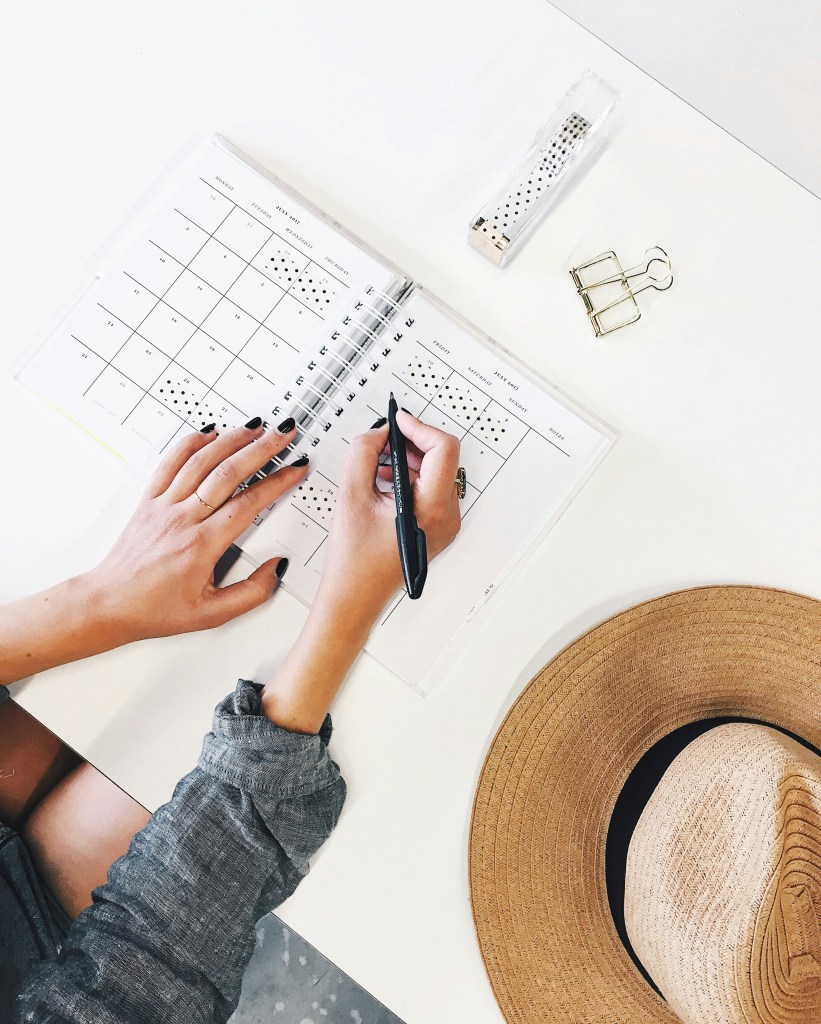
6. Build the Day-of Timeline Like You’re Directing a Live Show
This is your “script” for the event. Include:
- Vendor arrival times
- Setup roles
- Guest arrival flow
- Entertainment or speech cues
- Food and drink timing
- Transitions
- Cleanup
The more detailed your plan, the fewer surprises you’ll face — and the more you can actually enjoy the event instead of sprinting around like a caffeinated stage manager.
7. Share the Timeline With Everyone (No Gatekeeping!)
Once your masterpiece is ready, send it to:
- Staff
- Volunteers
- Vendors
- Venue contacts
- Anyone with a job to do
A quick walkthrough meeting helps everyone understand the plan and eliminates “Oh, I didn’t know that was my job.”

8. Build in Buffer Time — Because Life Happens
No matter how organized you are, things will shift. Give yourself:
- Extra transition time
- Backup options for weather, tech, or vendor issues
- A communication plan for game-time changes
- Grace
A flexible timeline = a less-stressed you.
9. Review and Refine for Next Time
After the event, revisit your timeline. What was perfect? What needs tweaking? Save those notes — your future self will thank you.
 Prismatic
Leave a comment